
Kerui Biotech Reports Initial Human Data for KRAS G12V-Targeted TCR-T Therapy
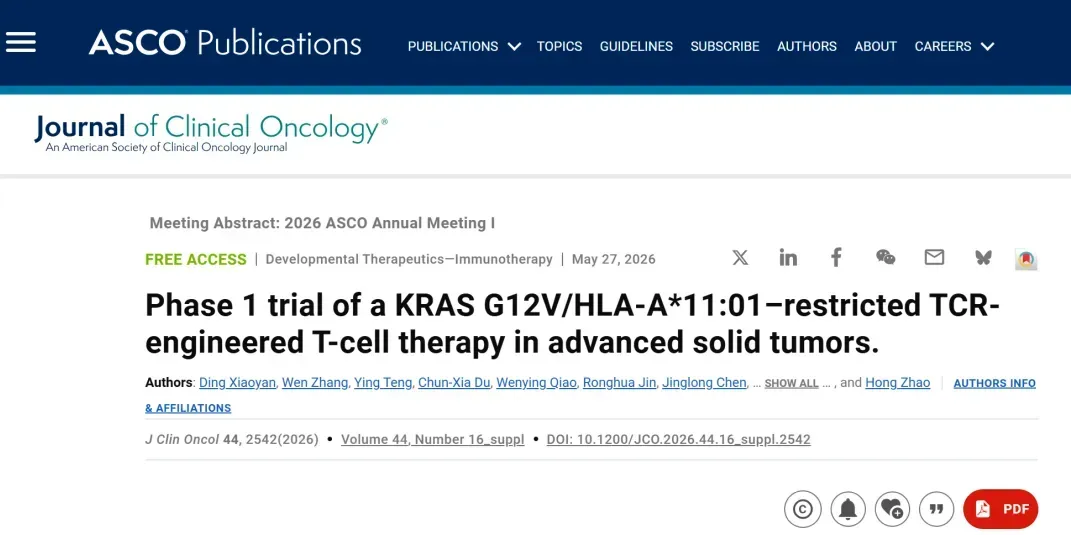
At the 2026 American Society of Clinical Oncology (ASCO) Annual Meeting, Kerui Biotech reported initial human data from a Phase I study of a TCR-T cell therapy targeting the KRAS G12V mutation.
As of January 2026, six patients had received TCR-T cell infusions. The TCR-T cells administered to all six patients were manufactured using lentiviral vectors produced with Eureka Bio’s EuLV system.
The publication of these data also marks the first publicly referenceable human clinical project involving EuLV.
Lentiviral vectors produced with EuLV have been used for TCR-T cell manufacturing, with the resulting cells successfully infused into patients
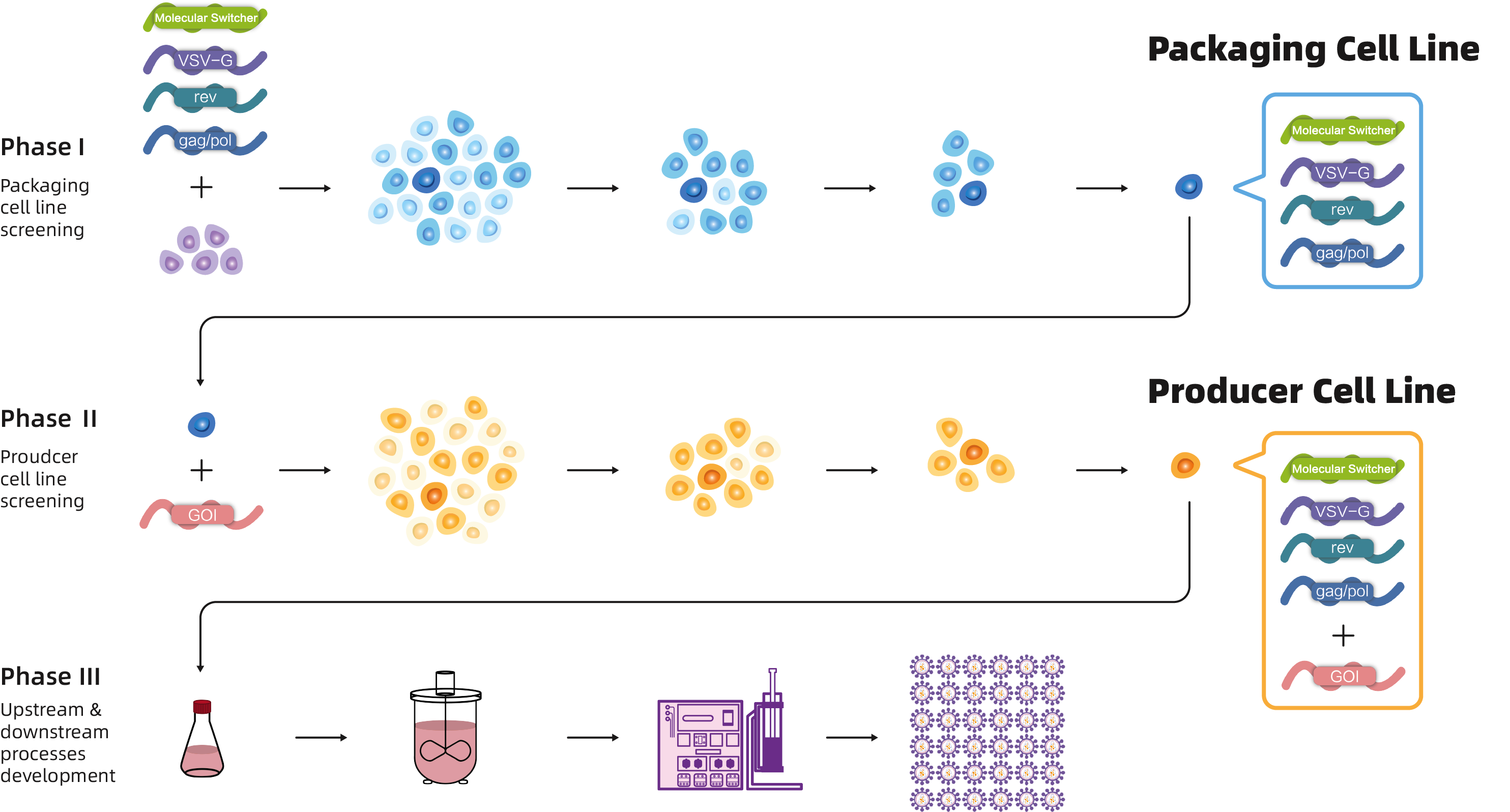
In this project, Eureka Bio’s EuLV system supported the development of the lentiviral vector producer cell line, enabling subsequent upstream lentiviral vector production and TCR-T cell manufacturing.
The lentiviral vectors were then used for genetic modification of patients’ autologous T cells. Following downstream cell manufacturing, quality control, and release, the resulting TCR-T cells were infused back into the patients.
The project workflow was:
Producer cell line development → Upstream LVV production → T-cell genetic modification → Cell manufacturing & quality control → Patient infusion
Through this project, Eureka Bio has also gained practical experience in producer cell line development and upstream lentiviral vector production.
Initial human data showed antitumor activity, with no Grade ≥3 treatment-related adverse events observed
The study presented at ASCO is an open-label, single-arm, dose-escalation Phase I trial enrolling patients with advanced solid tumors harboring KRAS G12V mutations and positive for HLA-A*11:01.
Following lymphodepletion, patients received one or two infusions of autologous TCR-T cells in combination with IL-2 treatment.
As of January 2026, eight patients had been enrolled, six of whom completed the planned TCR-T cell infusion, including two patients with colorectal cancer, three with pancreatic cancer, and one with endometrial cancer.
Among the six patients who received treatment:
● Objective response rate (ORR): 33% (2/6)
● Disease control rate (DCR): 67% (4/6)
● All three patients with advanced pancreatic cancer experienced significant tumor shrinkage
In terms of safety, no dose-limiting toxicities, Grade ≥3 treatment-related adverse events, or immune effector cell-associated neurotoxicity syndrome (ICANS) were observed.
These are preliminary results from a Phase I study with a limited sample size, and further clinical development will need to be followed as additional data become available.
A first publicly disclosed human clinical project provides verifiable evidence of EuLV’s project experience
When evaluating EuLV, customers often ask a very specific question:
Has EuLV supported a project that has progressed to patient infusion?
EuLV’s involvement in this project has now been publicly disclosed, and human clinical data from the project have also been reported. This provides a verifiable answer to that question.
Eureka Bio used the EuLV system to support producer cell line development and upstream lentiviral vector production. TCR-T cells manufactured using these vectors were subsequently infused into patients.
Different cell therapy programs require tailored producer cell lines and vector production strategies
TCR-T, CAR-T, and other genetically modified cell therapy programs differ in GOI design, vector architecture, production scale, quality requirements, and supply stage. Producer cell lines and vector production strategies therefore need to be developed accordingly.
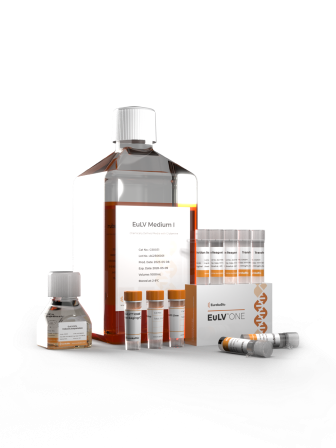
Based on the EuLV system, Eureka Bio can support producer cell line development and upstream lentiviral vector production according to the specific stage and manufacturing needs of each program.
If your team is advancing a TCR-T, CAR-T, or other cell therapy program requiring lentiviral vectors, we welcome the opportunity to discuss your needs for producer cell line development and upstream vector production.
References
Ding X, et al. Phase 1 trial of a KRAS G12V/HLA-A*11:01–restricted TCR-engineered T-cell therapy in advanced solid tumors. J Clin Oncol. 2026;44(16_suppl):2542. DOI: 10.1200/JCO.2026.44.16_suppl.2542.
ClinicalTrials.gov. NCT06767046.





.jpg)